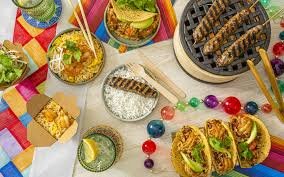
Street food is one of the most exciting ways to explore global cuisine, offering authentic flavors, cultural experiences, and quick meals that are often more delicious and affordable than restaurant dining. Across continents, street food tells stories of history, migration, regional ingredients, and culinary creativity. From sizzling woks in Asia to savory tacos in Latin America and sweet treats in Europe, these dishes reflect the diversity and richness of food cultures worldwide. This blog highlights the top 10 popular street food recipes from around the world, exploring their origins, ingredients, preparation methods, and cultural significance while offering insights into enjoying these dishes safely and authentically.
1. Pad Thai – Thailand
Pad Thai is one of Thailand’s most iconic street food recipes, known for its harmonious blend of sweet, sour, salty, and umami flavors. This stir-fried noodle dish combines rice noodles, eggs, tofu, shrimp or chicken, bean sprouts, peanuts, and tamarind-based sauce. Originating in the 1930s as a national dish promoted by the Thai government, Pad Thai was designed to encourage rice noodle consumption and establish national culinary identity. Street vendors in Bangkok and Chiang Mai often cook the dish on large woks, allowing diners to watch the preparation and enjoy piping-hot meals. Variations may include vegetarian options or additional spices, but the essence of Pad Thai lies in its balance of textures and flavors.
2. Tacos – Mexico
Tacos are a quintessential Mexican street food that combines soft or crispy tortillas with a variety of fillings such as grilled meats, fish, beans, cheese, and fresh vegetables. Tacos originated from indigenous maize-based diets and evolved over centuries with Spanish influence. Street vendors, known as taqueros, serve tacos with salsas, lime, and fresh herbs to enhance flavor. Popular variations include tacos al pastor, carnitas, and fish tacos. Tacos are celebrated for their versatility, affordability, and communal nature, allowing people to sample multiple flavors in one sitting. They also reflect the cultural and regional diversity of Mexico, making them a beloved dish worldwide.
3. Banh Mi – Vietnam
Banh Mi is a Vietnamese street food sandwich that exemplifies culinary fusion, combining French colonial influences with traditional Vietnamese ingredients. A crispy baguette is filled with pork, chicken, pâté, pickled vegetables, fresh herbs, and chili. The recipe reflects the historical introduction of French bread and cold cuts to Vietnam, adapted by locals to suit regional flavors and preferences. Street vendors in Ho Chi Minh City and Hanoi prepare Banh Mi fresh, offering a portable, flavorful meal that balances textures, tastes, and nutrition. Banh Mi has become internationally recognized, inspiring countless variations and fusion recipes globally.
4. Pani Puri – India
Pani Puri, also known as Golgappa or Phuchka, is a popular Indian street food consisting of hollow, crispy puris filled with spicy, tangy water, potatoes, chickpeas, and tamarind chutney. Originating in the Magadha region, the dish spread across India with regional variations in flavor and preparation. Street vendors prepare Pani Puri in front of customers, creating an interactive eating experience. The combination of crispy shells, flavorful fillings, and zesty water stimulates multiple taste sensations. Pani Puri embodies the essence of Indian street food: bold flavors, communal enjoyment, and vibrant presentation.
5. Takoyaki – Japan
Takoyaki are small, round balls filled with diced octopus, tempura scraps, pickled ginger, and green onions, cooked in specialized molds on large griddles. Originating in Osaka in the 1930s and inspired by a dish called Akashiyaki, Takoyaki became a staple of Japanese street food. Vendors flip the balls with precision to ensure even cooking, serving them hot with mayonnaise, takoyaki sauce, bonito flakes, and seaweed powder. Takoyaki represents Japanese values of culinary artistry, attention to detail, and tradition while remaining a playful and interactive snack that delights locals and tourists alike.
6. Churros – Spain
Churros are deep-fried dough pastries sprinkled with sugar, often accompanied by thick hot chocolate for dipping. Their origins are debated between Spanish and Portuguese culinary traditions, with early references dating back to the 16th century. Street vendors in Spain serve churros hot and fresh, sometimes filled with chocolate, custard, or dulce de leche. The simplicity of ingredients—flour, water, sugar, and oil—belies their rich taste and cultural significance. Churros symbolize festive occasions, social gatherings, and the blending of culinary history with everyday indulgence.
7. Satay – Indonesia and Southeast Asia
Satay consists of skewered and grilled meat, typically chicken, beef, or lamb, served with a rich peanut sauce. Originating in Java, Indonesia, Satay spread across Southeast Asia through trade and migration, becoming a street food favorite in Malaysia, Thailand, and Singapore. Vendors grill skewers over charcoal, infusing smoky flavor, and serve them with rice cakes, vegetables, or spicy sauces. Satay represents the ingenuity of street food culture, combining simple ingredients, portable preparation, and bold, savory flavors that reflect regional tastes.
8. Arepas – Venezuela and Colombia
Arepas are thick cornmeal cakes that can be grilled, baked, or fried, and are commonly filled with cheese, meats, or avocado. They trace their origins to indigenous diets in Venezuela and Colombia, later evolving during Spanish colonization. Street vendors sell arepas as breakfast, snacks, or meals, offering diverse fillings according to regional preferences. Arepas highlight the versatility of corn, the influence of indigenous and colonial ingredients, and the role of street food in everyday life. They are cherished for their texture, flavor, and ability to adapt to sweet or savory combinations.
9. Falafel – Middle East
Falafel, deep-fried balls made from ground chickpeas or fava beans, are a staple of Middle Eastern street food. Originating in Egypt and popularized across the Levant, falafel is typically served in pita bread with vegetables, tahini, and pickles. Street vendors prepare falafel fresh, often frying small batches to ensure crispness and flavor. Falafel embodies Middle Eastern culinary traditions, emphasizing legumes, herbs, and spices. It has also become a global favorite, reflecting the migration of culinary culture and the accessibility of nutritious, plant-based street food.
10. Poutine – Canada
Poutine is a Canadian street food classic consisting of crispy fries topped with cheese curds and smothered in gravy. Originating in Quebec in the 1950s, poutine became a symbol of comfort food and local culinary identity. Street vendors and food trucks serve variations with added meats, vegetables, or unique sauces, demonstrating innovation while retaining the traditional essence. Poutine represents the fusion of simplicity and indulgence, offering a hearty, flavorful dish that is both iconic and approachable.
Enjoying Street Food Safely
While indulging in these popular street food recipes, maintaining health and hygiene is crucial. Choose vendors who prioritize cleanliness, wash hands before eating, opt for freshly cooked items, and practice portion control to avoid overindulgence. Be cautious with raw or undercooked ingredients and ensure beverages are safe and uncontaminated. Understanding local food preparation methods, ingredients, and cultural practices helps minimize risks while maximizing enjoyment. Incorporating these practices ensures that street food remains a delightful, safe, and immersive culinary experience.
Street Food as a Cultural Experience
Street food is more than just a meal—it provides insight into local culture, history, and social dynamics. Many dishes, like Pad Thai or Banh Mi, tell stories of national identity, colonial influence, and regional adaptation. Others, like Arepas or Pani Puri, reflect indigenous ingredients and communal dining traditions. Tasting these foods in their authentic context allows travelers and food enthusiasts to connect with local life, appreciate culinary craftsmanship, and participate in the living culture of each region. Street food becomes a gateway to cultural discovery, offering flavors that are both traditional and innovative.
Final Thoughts
The top 10 popular street food recipes from around the world—Pad Thai, Tacos, Banh Mi, Pani Puri, Takoyaki, Churros, Satay, Arepas, Falafel, and Poutine—highlight the diversity, creativity, and cultural significance of street cuisine. Each dish tells a story of history, migration, regional ingredients, and culinary innovation, making street food an essential aspect of cultural exploration. By enjoying these dishes mindfully, prioritizing hygiene, and appreciating their origins, food enthusiasts can experience the full richness of global street food. Street food is not only about taste—it is about connection, tradition, and celebrating the flavors that define communities worldwide.