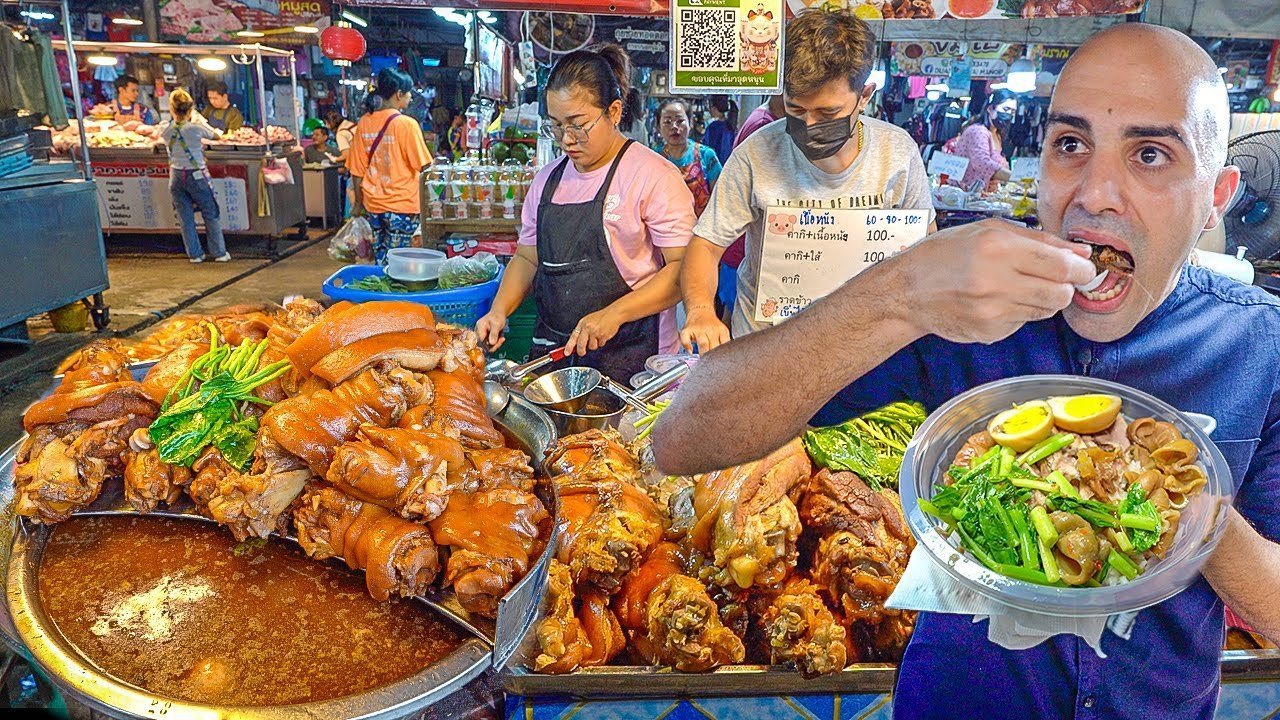
Traveling opens up a world of experiences, and few experiences are as thrilling as indulging in exotic street foods. Street foods allow travelers to immerse themselves in local culture, taste unique flavors, and interact with the local community in ways that restaurants sometimes cannot replicate. However, consuming street foods, especially in foreign countries, carries risks that require careful consideration to ensure a safe and enjoyable culinary adventure. In this guide, we explore practical strategies, essential precautions, and insider tips to safely enjoy exotic street foods while traveling, helping you make the most of your gastronomic journey without compromising your health.
Understanding Local Cuisine Before You Travel
One of the first steps to enjoying exotic street foods safely is conducting preliminary research about the local cuisine. Understanding common ingredients, popular dishes, and potential allergens can prevent unpleasant surprises. Travelers should familiarize themselves with local food customs, spice levels, and typical preparation methods. Research also helps identify reputable vendors who follow better hygiene practices. Many travel guides, food blogs, and local forums provide reliable information about safe street food options. Engaging with locals, hotel staff, or tour guides can also offer valuable insights about where to find the best and safest street food.
Choosing the Right Street Food Vendors
Choosing the right street food vendors is essential for minimizing the risk of foodborne illness. Look for stalls with high customer turnover, as this often indicates fresh ingredients and safe food handling. Avoid vendors who reuse old cooking oil, keep raw foods exposed for long periods, or show signs of poor sanitation. A clean preparation area, use of gloves or utensils, and proper cooking techniques are good indicators of food safety. Observing how other customers interact with the food stall and checking if the food is served hot and cooked thoroughly can help make safer choices.
Prioritizing Cooked Foods and Hot Meals
Another critical safety measure is to prioritize foods that are cooked in front of you and served piping hot. High temperatures kill harmful bacteria, reducing the risk of contamination. Avoid foods that are left at ambient temperatures for extended periods, such as pre-cooked items sitting on open trays or salads with raw vegetables that are not washed properly. Stick to freshly grilled, fried, or boiled foods, and ask the vendor to prepare dishes on the spot if possible. While street foods are tempting, travelers should be cautious with raw or undercooked items like sushi, shellfish, or unpasteurized dairy products, as these pose higher risks of foodborne illness.
Maintaining Personal Hygiene
Personal hygiene plays a significant role in street food safety. Always wash or sanitize your hands before eating, especially after handling money or touching public surfaces. Carrying hand sanitizer or wet wipes can be a lifesaver in outdoor markets or crowded food streets. Using utensils instead of bare hands and avoiding direct contact with potentially contaminated surfaces can further reduce the risk of ingesting harmful bacteria.
Staying Safe with Water and Beverages
Travelers should also pay attention to water safety when enjoying street foods. In many countries, tap water may not be safe to drink, and ice or water used in food preparation can carry pathogens. Stick to bottled or purified water for drinking and avoid ice cubes made from local tap water. Be cautious with fresh juices, smoothies, or beverages mixed with untreated water. When in doubt, opt for beverages that are sealed, boiled, or freshly prepared in front of you.
Understanding Your Digestive Tolerance
Understanding your own digestive tolerance is another crucial aspect of enjoying exotic street foods safely. Some travelers have sensitive stomachs or allergies that make them more susceptible to foodborne illness. Introduce new foods gradually, and avoid overindulging in unfamiliar spices or ingredients at once. Carry basic medications such as antacids, anti-diarrheal medicine, and rehydration salts to manage minor digestive issues. Being prepared can make a significant difference in handling unexpected stomach upsets while traveling.
Observing Local Food Practices
Travelers can also minimize risk by observing local food preparation practices and cultural norms. In many countries, certain hygiene practices and cooking methods have evolved to reduce foodborne illness. For instance, many street vendors boil or fry foods at high temperatures, use vinegar or spices with antibacterial properties, and serve food immediately after preparation. Learning and respecting these practices can enhance both safety and cultural appreciation.
Benefits of Guided Food Tours
Traveling with a trusted companion or joining guided food tours can further enhance safety. Local guides often know which stalls are reliable, which dishes are safe to try, and which areas to avoid. Guided food tours provide structured experiences, allowing travelers to taste a variety of foods without the uncertainty of experimenting blindly. This approach combines the thrill of culinary exploration with a higher degree of safety.
Managing Portion Sizes and Frequency
One important strategy is to be cautious about portion sizes and frequency. Eating large amounts of street food consecutively increases exposure to potential contaminants. Instead, sample small portions, enjoy diverse flavors, and space out your meals to allow your digestive system to adjust. Sharing dishes with companions not only adds to the social experience but also reduces the overall quantity consumed by one person, minimizing risk.
Avoiding High-Risk Foods
Avoiding high-risk foods such as raw meats, unpasteurized dairy, and undercooked seafood is also recommended. Fruits and vegetables should be washed with safe water or peeled when possible. Fried or grilled foods that are cooked thoroughly and served hot generally carry lower risk. Always trust your instincts—if a dish looks suspicious or the environment seems unhygienic, it is better to skip it than to compromise your health.
Proper Storage and Handling of Leftovers
Proper storage and handling of any snacks or leftovers is another key consideration. If you plan to save food for later, ensure it is kept at safe temperatures. Avoid leaving cooked foods in hot, humid conditions, which can accelerate bacterial growth. Using insulated containers or refrigerated storage when available can help maintain food safety.
Maintaining Digestive Health
Staying hydrated and maintaining a healthy diet alongside street food consumption can also help your body cope with unfamiliar foods. Incorporating safe, familiar foods such as yogurt, fresh fruits, and water-rich meals can support digestion and prevent discomfort. Additionally, consuming probiotics or fermented foods can aid in maintaining gut health during travel.
Preparing for Emergencies
Being aware of emergency resources is important in case foodborne illness occurs. Know the locations of nearby clinics, pharmacies, or hospitals, especially when traveling in remote areas. Familiarize yourself with local emergency numbers and carry travel insurance that covers medical treatment. Prompt medical attention can prevent minor issues from escalating and ensures peace of mind while exploring exotic cuisines.
Learning Local Language Phrases
Learning local language phrases related to food safety can be incredibly helpful. Knowing how to ask whether a dish contains specific ingredients, if it is cooked thoroughly, or whether water is safe can prevent miscommunication. Simple phrases about allergies, dietary restrictions, and preferred cooking methods can protect against accidental exposure to harmful foods.
Avoiding Tourist Traps
Travelers should also be cautious of street food scams or overcharging, which can indirectly affect safety. Being aware of average prices, observing local payment practices, and keeping small change handy reduces stress and allows you to focus on the culinary experience. Avoiding overly touristy stalls that may compromise quality for profit can enhance both safety and authenticity.
Respecting Cultural Etiquette
Cultural etiquette matters when enjoying street foods. Observing how locals eat, handle food, and interact with vendors can provide cues on proper and safe practices. Many countries have unwritten rules about portion sizes, sharing, and cleanliness that influence food safety. Respecting these customs enhances your experience while reducing potential risks.
Using Technology to Find Safe Food
Digital tools can support safe street food experiences. Apps and websites that rate food vendors, provide hygiene scores, or offer traveler reviews are valuable resources. Social media groups and food blogs often share real-time updates about stalls that maintain high standards of hygiene and freshness. Leveraging technology to gather local insights empowers travelers to make informed decisions.
Special Considerations for Dietary Restrictions
Traveling with dietary preferences or restrictions requires additional vigilance. Vegetarians, vegans, and individuals with food allergies should research ingredients carefully, ask vendors specific questions, and carry snacks as a backup. Being prepared ensures you can enjoy local flavors without compromising dietary needs.
Seasonal and Environmental Awareness
Street food often involves strong spices, unfamiliar flavors, or ingredients that may trigger mild allergies. Testing new dishes in small quantities and gradually introducing more adventurous options allows your body to adapt. Carrying antihistamines or other necessary medications is advisable for individuals with known sensitivities. Travelers should also be aware of seasonal variations in street food safety. Certain fruits, vegetables, and seafood may be safer or riskier depending on the season. Being mindful of environmental conditions such as heat, humidity, and pollution is also important. Food exposed to high temperatures for long periods can harbor bacteria, while dusty or polluted areas may introduce contaminants. Selecting stalls with covered cooking areas or indoor markets can mitigate these risks.
Balancing Curiosity with Caution
Adopting a mindset of curiosity combined with caution ensures the most rewarding street food experience. Enjoying exotic street foods is about savoring flavors, connecting with local culture, and creating memories. Balancing adventure with safety, making informed choices, and respecting local customs allow travelers to explore the culinary landscape confidently.
Conclusion
Safely enjoying exotic street foods while traveling requires a combination of research, vigilance, hygiene, and awareness. Travelers should prioritize reputable vendors, freshly cooked dishes, personal hygiene, safe water consumption, and gradual introduction of unfamiliar foods. Observing local practices, engaging with guides, using digital resources, and being prepared for emergencies further enhance safety. By adopting these strategies, travelers can fully embrace the vibrant world of street foods without compromising their health. The thrill of tasting new flavors, experiencing cultural traditions, and connecting with locals can be enjoyed responsibly, making your travel experience both delicious and safe. Following these tips allows you to navigate the diverse street food landscape while minimizing risks. From bustling markets to quiet roadside stalls, every bite can be a celebration of culture, flavor, and adventure. By combining curiosity with caution, hygiene with enjoyment, and preparation with spontaneity, the journey of exploring exotic street foods becomes not only safe but truly unforgettable.