The Joy and Challenge of Street Food Exploration
One of the greatest pleasures of traveling is immersing yourself in local culture through its food, and nowhere is this experience more authentic and accessible than at street food stalls and markets. The sizzling sounds, aromatic spices, and vibrant colors of street food create an irresistible invitation to taste the real flavors of a destination, often at prices that leave both your palate and your wallet satisfied. Unlike restaurant dining, which can feel somewhat removed from everyday life, street food places you directly in the flow of local existence, standing shoulder to shoulder with residents going about their daily routines, sharing meals that have sustained communities for generations. This immediacy and authenticity is precisely what draws many travelers to street food, the sense that you are experiencing something real rather than something prepared for tourist consumption. Yet for health-conscious travelers, street food presents a paradox that can create anxiety and uncertainty: how do you indulge in these delicious local experiences without compromising your wellbeing or returning home with an unwelcome souvenir in the form of digestive distress that can sideline you for days of precious travel time?
The answer lies not in avoiding street food altogether, which would mean missing one of travel’s greatest pleasures and a significant dimension of cultural immersion, but in learning to make smart choices that minimize risk while maximizing enjoyment. Street food varies enormously in quality and safety across different countries and even between vendors in the same city, and understanding what to look for transforms the experience from potentially hazardous to reliably delightful. The strategies that follow are not about fear-based avoidance but about empowerment, giving you the tools to assess situations quickly, make informed decisions, and focus your attention on the joy of discovering new flavors rather than worrying about what might go wrong. This guide provides practical strategies for selecting healthy street food anywhere in the world, drawing on the collective wisdom of experienced travelers, food safety experts, and local vendors themselves. With these tools in hand, you can eat with confidence and fully embrace one of travel’s most rewarding dimensions.
The Critical Importance of Vendor Observation
Before you even think about what to order, the first and most important step in choosing healthy street food is observing the vendor and their setup with a critical eye that takes in multiple factors simultaneously. The conditions in which food is prepared tell you far more about safety than any specific dish choice ever could, because even the safest ingredients can become hazardous when handled improperly. A busy stall with a constant stream of local customers is almost always a good sign, as high turnover means food is fresh and hasn’t been sitting out at room temperature for hours where bacteria can multiply rapidly. This local patronage also suggests that the vendor has an established reputation to maintain, residents who eat there regularly would quickly notice any decline in quality or safety and take their business elsewhere. Watch how the vendor handles money and food, ideally they should have separate hands or use utensils for handling cash versus preparing your meal, or at minimum use gloves that are changed frequently. The handling of money is particularly telling because currency is notoriously dirty, passing through countless hands and accumulating pathogens, so vendors who touch money then immediately handle food without washing or changing gloves are showing a lack of basic hygiene awareness.
Following the Local Crowd
One of the most reliable indicators of good street food is simply observing where local people choose to eat, a strategy that leverages collective knowledge built over years of daily experience. In any city with a vibrant street food culture, residents know which vendors have the freshest ingredients, the best recipes, and the safest preparation methods because they have the opportunity to observe and compare over time. A stall surrounded by local workers on their lunch break, families with children, or groups of friends is almost always a safer bet than one catering primarily to tourists who may be passing through and never return. This local preference reflects knowledge that no guidebook or online review can fully capture, the subtle understanding of which vendors consistently deliver good food and which have declined in quality or experienced health issues. Locals are also more likely to recognize when something isn’t quite right, when ingredients aren’t as fresh as usual, when preparation seems rushed or careless, or when the vendor is having an off day. Their continued patronage, or sudden absence, provides real-time feedback that you can observe and interpret.
The absence of visible illness among regular customers over time suggests that the vendor’s practices are generally safe and that their food agrees with the local population. While this doesn’t guarantee that your unaccustomed digestive system will handle it equally well, it does indicate that basic food safety standards are being met. Beyond safety, following locals also leads you to the most authentic and delicious options, the dishes that represent genuine local cuisine rather than adaptations for foreign palates that may sacrifice authenticity for perceived accessibility. When you see a dish that appears repeatedly on local tables, you’re looking at a regional specialty that has stood the test of time and taste. Don’t be shy about pointing at what others are eating and asking for the same, this is how many of the best street food discoveries happen, through mimicry of those who know best. Even if you don’t speak the language, a smile and a point can communicate your desire effectively, and vendors are usually delighted to serve visitors who show genuine interest in their offerings.
The Safety of Freshly Cooked, Hot Foods
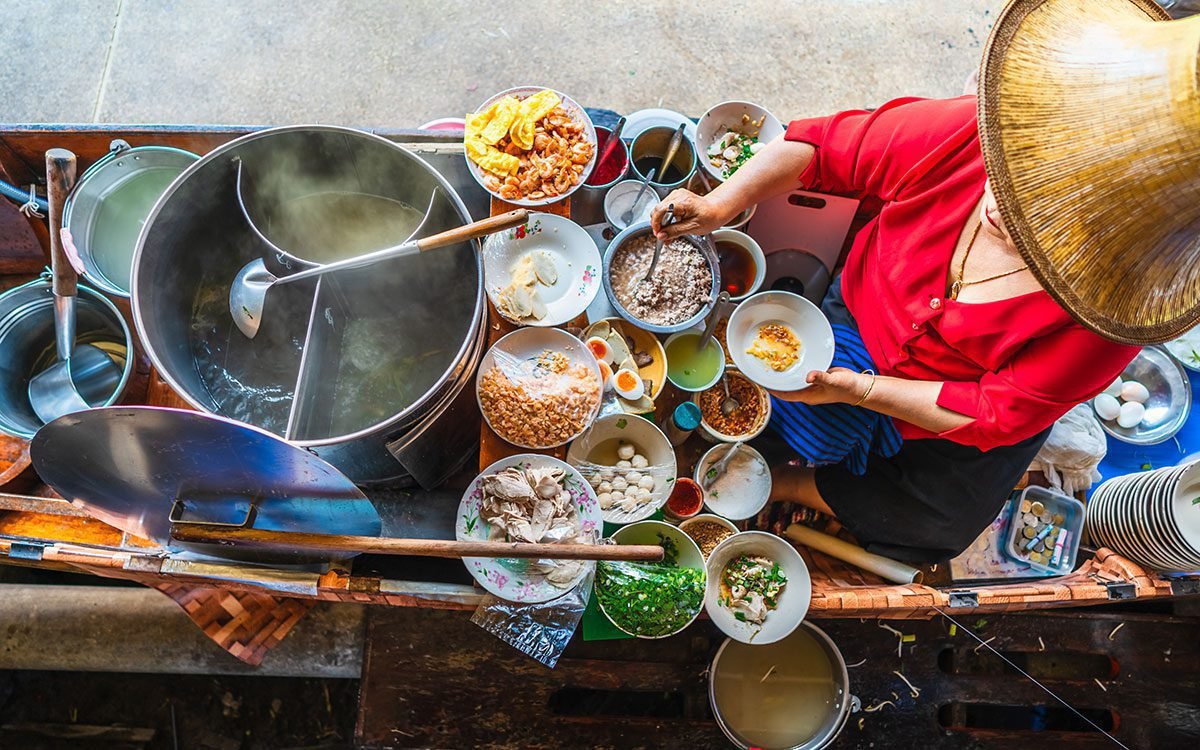
When evaluating street food options, the cooking method and temperature matter enormously for safety, providing one of the most reliable guides for decision-making. Foods that are cooked to order at high temperatures and served piping hot are generally the safest choices because the heat kills harmful bacteria and parasites that might be present in raw ingredients, creating a built-in safety mechanism that doesn’t require you to verify the quality of every component. This includes items like grilled meats and fish where you can see the flames and hear the sizzle, stir-fried noodles or rice prepared in a blazing hot wok, freshly made omelets where eggs are cracked and cooked immediately, and soups that are kept at a rolling boil in large pots. The key is that the food should be cooked in front of you, allowing you to witness the heat application, and served immediately rather than being held for later service. This visual confirmation provides reassurance that the food has reached temperatures sufficient to neutralize pathogens.
Be more cautious with foods that are served at room temperature or only gently warmed, as these have spent more time in the temperature danger zone between forty and one hundred forty degrees Fahrenheit where bacteria thrive and multiply rapidly. This doesn’t mean you must avoid all room-temperature foods entirely, many traditional dishes are meant to be served this way and have been enjoyed safely for generations when prepared properly. However, it does mean being more selective about the vendors you choose for these items, preferring those with obvious high turnover where food hasn’t been sitting long, and those whose preparation methods you trust. For cold foods like salads, fresh-cut fruit, or ceviche, the safety depends entirely on the quality of the water used for washing and the freshness of ingredients, factors that are harder to verify from observation alone. If you’re craving these items, look for vendors with obvious high turnover and ask whether they wash produce with purified or bottled water, though be aware that answers may not always be reliable and that language barriers can complicate communication. Some travelers choose to avoid raw cold foods altogether in destinations where water quality is questionable, focusing instead on the abundant cooked options that pose less risk.
Mastering the Art of Peelable Produce
Fresh fruits and vegetables present a particular challenge for street food safety because they may be washed in local water that contains pathogens your digestive system isn’t accustomed to, and unlike cooked foods, there’s no heat step to eliminate any contamination. The simplest solution to this dilemma is to choose fruits that you peel yourself, creating a natural barrier between any contaminated surface and the edible interior that you will consume. Oranges, bananas, mangoes, papayas, and similar fruits with thick, inedible skins are excellent choices because you control the peeling process and avoid anything that might have been rinsed in questionable water or handled by unwashed hands. Even with these, it’s wise to peel them yourself rather than accepting pre-peeled fruit from vendors, which may have been cut with unwashed knives, handled after peeling, or rinsed in tap water to keep them looking fresh. The act of peeling also gives you the opportunity to inspect the fruit for any signs of spoilage or damage that might not be visible from the outside.
If you’re craving fruits with edible skins like apples, grapes, or berries, consider buying them from markets where you can wash them yourself with bottled water before eating, rather than relying on vendor preparation. Many travelers carry a small bottle of hand sanitizer and a pack of wipes specifically for this purpose, allowing them to clean fruit surfaces before consumption. The same principle applies to vegetables, cooked vegetables that have been heated thoroughly are generally safe, while raw vegetables in salads, salsas, or garnishes carry higher risk unless you’re confident about their preparation and the water used for washing. Many travelers find that sticking to cooked vegetables and peelable fruits for the first few days of a trip allows their digestive systems to adjust to new bacterial environments before gradually introducing more adventurous options. This gradual approach also helps you identify which vendors and preparation methods work best for your system, building confidence over time rather than diving into the deep end immediately.
Navigating Dairy and Egg Safely
Dairy products and eggs require special attention when traveling because improper handling and storage can lead to rapid bacterial growth that transforms these nutritious foods into sources of illness. In many countries, particularly those with hot climates and unreliable electricity, dairy may not be pasteurized or refrigerated consistently, making items like fresh cheese, milk-based drinks, and ice cream potentially risky even when they appear fresh and appealing. This doesn’t mean you must avoid all dairy entirely, many cultures have delicious fermented dairy products like yogurt, kefir, and cultured cheeses that are naturally preserved by beneficial bacteria, and these can be safer than fresh dairy because the fermentation process creates an acidic environment that inhibits pathogen growth. The live cultures in these products may also help your digestive system adapt to new bacterial environments, providing a dual benefit of safety and probiotic support.
When it comes to eggs, the key is thorough cooking that eliminates the risk of salmonella and other pathogens that can be present even in clean-looking eggs. Dishes where eggs are fully cooked, such as omelets made to order on a hot griddle, eggs fried until the yolk is solid and the white is set, or eggs incorporated into cooked dishes like fried rice or baked goods, are generally safe. Be more cautious with preparations involving raw or lightly cooked eggs, such as certain sauces like homemade mayonnaise or hollandaise, desserts like tiramisu or mousse that use raw eggs, or breakfast dishes where eggs are served runny. The visual appeal of a perfectly runny yolk may not be worth the risk in destinations where egg handling and refrigeration standards differ from what you’re accustomed to at home. Ice cream from street vendors presents a particular challenge because you can’t know whether it was made with pasteurized milk, kept at safe temperatures continuously, or subjected to temperature abuse during transport or storage. Commercially packaged ice cream from reputable brands that you can verify is factory-sealed is generally safer than freshly made varieties from unknown sources, though you miss out on local specialties. If you’re determined to try local artisanal ice cream, look for busy vendors with high turnover where product doesn’t sit long, and observe whether the ice cream looks consistently frozen and properly stored rather than melted and refrozen, which creates texture problems and safety concerns.
The Critical Role of Water and Beverages
What you drink while traveling can have as much impact on your health as what you eat, and beverages require the same careful consideration as food, sometimes even more so because we tend to let our guard down with drinks. In many destinations around the world, tap water is not safe for visitors to drink because it contains microorganisms that local residents have built immunity to but that can cause significant illness in unaccustomed systems. This extends to ice cubes, which are often made from the same tap water and frozen, a process that does not kill bacteria and may actually preserve them. When ordering drinks at street stalls or even in restaurants, specify that you want no ice, or confirm that the ice is made from purified water if the vendor seems trustworthy and you’re confident in your ability to communicate this question effectively. In many countries, you’ll see vendors using blocks of ice that have been delivered and may have been handled extensively, making them particularly risky.
Bottled water and other sealed beverages from reputable companies are generally safe, but be aware that in some places, unscrupulous vendors may refill empty bottles with tap water and reseal them using simple tools, passing them off as factory-sealed products. Always check that the seal is intact before accepting a bottle, and examine the bottle for any signs of tampering, cloudiness, or irregularities in the label that might indicate it’s not original. Carbonated bottled beverages have an advantage in this regard because the carbonation creates pressure that makes it more difficult to refill bottles convincingly and also provides some antimicrobial benefit from the acidic environment. Hot beverages like tea and coffee are generally safe because the water has been boiled to temperatures that kill pathogens, though you should still be cautious about any milk, cream, or sweeteners added afterward that may not have been handled safely. If you’re adding your own sugar from packets, check that the packets haven’t been opened or tampered with.
Fresh juices and smoothies present a similar risk profile to fresh produce, if they’re made with unwashed fruit or diluted with tap water, they can cause problems even when the fruit itself was safe. The beautiful juice stands you see in many tropical destinations, with mountains of colorful fruit and spinning blenders, can be either wonderful or problematic depending entirely on their water and washing practices. If you’re craving fresh juice, look for vendors who cut fruit in front of you rather than using pre-cut fruit that may have been sitting, and who use bottled water for any dilution rather than tap. Even then, the washing of the fruit itself before cutting may be a concern, as fruits with edible skins may have been rinsed in tap water. Some travelers choose to stick with fruits that are visibly peeled before juicing, like oranges or pineapples, where the peel protects the edible interior from contaminated wash water.
Building Your Street Food Confidence Gradually
For travelers new to street food or those visiting a destination with very different food safety standards than what they’re accustomed to at home, building confidence gradually makes excellent sense rather than diving into the most adventurous options immediately. Start your trip with foods that are inherently lower risk, such as thoroughly cooked items from busy vendors with good turnover and obvious attention to cleanliness, and see how your body responds over the first few days. This initial period serves as both a test of your own tolerance and an opportunity to observe patterns and identify vendors who seem most reliable. After a few days with no issues, you can gradually expand to include more varied options, perhaps trying a room-temperature specialty from a vendor you’ve been watching, or sampling a cold dish that comes highly recommended by multiple local sources, always applying the observation principles discussed earlier.
This gradual approach serves two important purposes simultaneously. First, it minimizes the impact if you do encounter something that disagrees with you, because you’ll have a smaller universe of potential culprits to consider and your system won’t be overwhelmed by multiple new inputs at once. Second, it allows your digestive system to gradually adjust to new bacterial environments, building tolerance over time rather than facing a sudden assault of unfamiliar microorganisms. Many experienced travelers find that their tolerance for local foods increases markedly over the course of a trip as their gut microbiome adapts and diversifies in response to new inputs. Pay close attention to how you feel after eating from different vendors and different food categories, this information helps you refine your choices as you go and builds a personal database of what works for your unique system. If you do experience mild digestive upset, don’t panic, this happens to many travelers and usually resolves quickly with rest, hydration, and simple foods. Having a small travel kit with rehydration salts, anti-diarrheal medication, and probiotic supplements provides peace of mind without taking much space, and can make a significant difference in how quickly you recover if problems arise.
Respecting Your Own Tolerance and Limits
Perhaps the most important factor in healthy street food exploration is honest self-awareness about your own digestive tolerance and limits, recognizing that there is no one-size-fits-all approach that works equally well for everyone. Some people can eat anything anywhere with no issues whatsoever, their digestive systems seem capable of handling any bacterial challenge without complaint. Others have more sensitive systems that require greater caution and more selective choices, reacting to foods that others tolerate easily. Neither profile is better or worse, they’re simply different expressions of human biological variation, and successful travel means working with your own reality rather than against it or comparing yourself unfavorably to others. If you know from past experience that you have a sensitive stomach, plan accordingly by being more selective about vendors and dishes, choosing cooked options over raw, and accepting that you may need to skip some adventurous options that others rave about. This isn’t failure or missing out, it’s smart self-care that allows you to enjoy the many other aspects of travel without spending precious days recovering in your hotel room.
Similarly, if you have specific food allergies or intolerances that require avoiding certain ingredients, street food requires extra caution because you can’t always verify ingredients or cross-contamination risks through observation alone. In these cases, learning a few key phrases in the local language to communicate your restrictions can be helpful, phrases like “no dairy please” or “I’m allergic to peanuts” translated accurately. Carrying a small card in the local language that explains your allergy can be even more effective, as it eliminates the risk of miscommunication. However, even with these precautions, complete avoidance of certain food categories may be the safest approach when you can’t verify preparation methods. The goal of healthy street food exploration is not to eat everything possible regardless of consequences, but to find the sweet spot where you can enjoy authentic local flavors while maintaining your wellbeing and energy for all the other dimensions of your journey. Some of your most memorable meals may be simple ones, a perfectly grilled fish, a bowl of noodles from a vendor who has been perfecting their broth for decades, a piece of fruit so perfectly ripe it tastes like nothing you’ve ever experienced at home. These experiences don’t require you to push past your comfort zone or ignore your body’s signals, they require only that you show up with curiosity and awareness.
The Joy of Mindful Street Food Exploration
When approached with knowledge and awareness rather than fear or anxiety, street food becomes not a source of worry but one of travel’s greatest pleasures, a window into local culture that no restaurant can fully replicate. The vendors who have been perfecting their recipes for decades, often learning from parents and grandparents who worked the same corner before them, represent living links to culinary traditions that stretch back generations. The markets that buzz with energy at dawn and dusk, filled with sounds and smells and sights that overwhelm the senses in the best possible way, create memories that last long after the specific tastes have faded. The unexpected flavor combinations that challenge and delight your palate, the dishes that bear no resemblance to anything you’ve encountered in your home country’s versions of the cuisine, the moments of connection with vendors who see your enjoyment and smile, these experiences create travel memories that you’ll carry with you forever.
Some of the best meals of your travels will likely come from street stalls, prepared by hands that have been making the same dishes for generations, using recipes that tell the story of a place and its people. These meals connect you to the daily life of your destination in ways that hotels and tourist restaurants cannot, placing you in the flow of local existence rather than observing it from behind a window. With the right knowledge and a spirit of curious adventure, you can savor these experiences fully and return home with nothing but wonderful memories, perhaps a few new favorite dishes to try recreating in your own kitchen, and the confidence to explore street food on your next adventure with even greater enthusiasm. The world of street food is vast and varied, from Bangkok’s floating markets to Mexico City’s taquerias, from Istanbul’s simit carts to Marrakech’s food stalls under the stars. Each destination offers its own unique street food culture, its own flavors and traditions and stories. With the tools in this guide, you’re ready to explore them all.