Food is more than sustenance; it is an expression of heritage, identity, and community. Across the world, food festivals have become vibrant celebrations of local cuisine and culture, offering a window into a region’s history, traditions, and culinary innovations. These festivals bring together chefs, artisans, families, and travelers, uniting them through the universal language of taste. In this comprehensive exploration of how food festivals celebrate local cuisine and culture, we will uncover the significance of food festivals, the types of festivals around the world, iconic events, and the ways these gatherings preserve heritage, promote tourism, and inspire culinary creativity. From street food fairs in Asia to wine and cheese festivals in Europe, each festival offers a unique story that tells visitors not only about food but also about the values, rituals, and lifestyle of the local community.
The Cultural Significance of Food Festivals
Food festivals are immersive cultural experiences that go beyond simply eating. They provide platforms for local chefs and home cooks to showcase their signature dishes, for farmers to display seasonal produce, and for artisans to sell handmade culinary tools and products. These events allow visitors to sample authentic local cuisine, learn traditional cooking techniques, and engage with culinary heritage that may otherwise remain hidden from the general public. By celebrating food, communities preserve recipes and practices that have been passed down through generations while simultaneously embracing innovation and fusion in modern gastronomy. Food festivals also serve as educational spaces where attendees can participate in cooking workshops, taste-testing sessions, and demonstrations that highlight the cultural significance of each dish, the origin of ingredients, and the rituals surrounding their preparation.
Regional Ingredients and Culinary Heritage
One of the core reasons food festivals celebrate local culture is because cuisine is inherently tied to history and geography. Regional ingredients, climate, and agricultural practices shape the dishes that communities create, and festivals allow these culinary identities to shine. For example, a tomato festival in Italy not only features fresh tomato-based dishes but also celebrates the historical significance of tomatoes in Italian cuisine, from traditional pasta sauces to street snacks. Similarly, the Sapporo Snow Festival in Japan pairs its iconic winter displays with Hokkaido’s seafood and local delicacies, showcasing how local climate and resources influence food culture. By attending such events, visitors experience authentic local cuisine in its natural context, surrounded by storytelling, music, art, and performances that enrich the cultural immersion.
Preserving Culinary Traditions
Food festivals play a vital role in preserving culinary traditions. Many traditional dishes are labor-intensive and may not be commonly prepared in modern households. Festivals offer a venue where artisans and chefs can revive these practices, encouraging younger generations to engage with their cultural heritage. For instance, the Oaxaca Mole Festival in Mexico brings together chefs who prepare a variety of mole sauces, each representing a different local tradition and flavor profile. Visitors can learn about the ingredients, the centuries-old cooking techniques, and the ceremonial contexts in which these dishes are traditionally served. Through hands-on workshops, tasting sessions, and storytelling, these festivals ensure that local cuisine and culture are passed down and appreciated by a broader audience, keeping culinary heritage alive in an era of globalization.
Community Connection and Social Celebration
Another important aspect of food festivals is the celebration of community and social connection. Many festivals begin as local gatherings where families, neighbors, and small-scale producers come together to share their harvest, seasonal specialties, or family recipes. Over time, these local events grow into major cultural attractions, drawing visitors from across the country or even internationally. The communal aspect of food festivals reinforces social bonds, fosters pride in local culinary identity, and encourages collaboration among chefs, farmers, and artisans. For example, the Pizzafest in Naples, Italy, is more than a celebration of pizza; it is a communal expression of Neapolitan culture, emphasizing the importance of locally sourced ingredients, artisanal baking techniques, and centuries-old traditions.
Innovation and Modern Culinary Creativity
Food festivals also provide a platform for culinary innovation and creativity while still honoring tradition. While some festivals focus on preserving classic recipes, others encourage experimentation, fusion cuisine, and contemporary interpretations of traditional dishes. For instance, the Melbourne Food and Wine Festival in Australia celebrates both local cuisine and global culinary influences, showcasing modern chefs who innovate with native ingredients like wattleseed, finger lime, and bush tomato. Similarly, street food festivals in Bangkok or Singapore highlight creative combinations of flavors, merging traditional recipes with contemporary techniques. By blending heritage with innovation, food festivals highlight the dynamic nature of local cuisine and culture, ensuring that culinary traditions remain relevant and exciting for new generations.
Tourism and Economic Impact
Tourism and economic impact are additional reasons food festivals celebrate local culture. Festivals attract domestic and international visitors, boosting local economies through food sales, lodging, transportation, and cultural experiences. Small-scale farmers, artisanal producers, and local vendors gain exposure and the opportunity to reach wider markets. For example, the Maine Lobster Festival in the United States not only showcases Maine’s famous seafood but also supports the local fishing industry and related businesses. Similarly, the Cheese Rolling Festival in Gloucestershire, England, draws thousands of tourists eager to experience a quirky local tradition, benefiting hotels, restaurants, and local shops. Through these festivals, local cuisine and culture become powerful tools for economic growth and sustainable tourism, providing both cultural enrichment and financial benefits for the community.
Sustainability and Local Sourcing
Food festivals also serve as a platform to promote sustainability and responsible consumption. Many events now emphasize farm-to-table practices, organic produce, and environmentally conscious cooking. By highlighting seasonal ingredients and local sourcing, food festivals encourage visitors to appreciate the connection between nature, agriculture, and culinary practices. For instance, the Pitti Taste Festival in Florence, Italy, showcases small-scale producers of olive oil, cheese, and wine, promoting artisanal and sustainable production methods. Such festivals not only celebrate local cuisine but also educate attendees about the importance of preserving culinary traditions in harmony with environmental stewardship.
Art, Music, and Cultural Expression
Cultural performances, music, and art often accompany food festivals, making them holistic cultural celebrations. Food is interwoven with cultural expression, from dances and songs associated with harvest festivals to religious or ceremonial significance of certain dishes. The Jaipur Literature Festival in India, for example, pairs literary events with Rajasthani food stalls, allowing visitors to experience the region’s rich cultural heritage through both storytelling and taste. Similarly, the La Tomatina festival in Spain combines playful food-based activities with traditional Spanish cuisine, music, and dancing, creating a full sensory celebration of local culture. These experiences reinforce the connection between food and culture, showing that cuisine is not just about eating but about celebrating life, tradition, and community.
Education and Culinary Diplomacy
Food festivals are also gateways to culinary education and cultural diplomacy. Visitors often leave with a deeper understanding of the historical, social, and environmental contexts of the dishes they taste. Festivals like the Salon du Chocolat in Paris or the International Mango Festival in India bring together global culinary experts and local producers, fostering cross-cultural exchange and appreciation. Attendees gain insight into ingredient sourcing, preparation methods, and cultural significance, enhancing their knowledge of local cuisine and culture. These festivals also encourage dialogue between cultures, promoting global understanding through the shared enjoyment of food.
Spotlighting Regional Specialties
In addition to celebrating traditional dishes, food festivals provide exposure to regional specialties that may be unknown outside the local area. Many festivals focus on a single ingredient, dish, or culinary style, highlighting its unique role in local culture. For example, the Truffle Festival in Alba, Italy, showcases the prized white truffle, a delicacy deeply embedded in Italian culinary tradition. Visitors learn about truffle hunting, the local economy surrounding this rare ingredient, and the traditional dishes that feature it. Similarly, the Hokkaido Snow Festival in Japan introduces visitors to local seafood, ramen, and sweets, providing a comprehensive experience of the region’s food culture. By focusing on specific ingredients or dishes, food festivals preserve unique aspects of local cuisine that might otherwise be overlooked.
The Power of Street Food Festivals
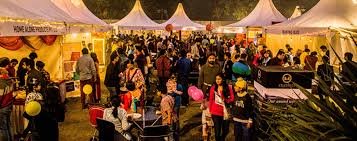
Street food festivals around the world are particularly effective at celebrating local cuisine and culture because they make food accessible, affordable, and interactive. Markets, food trucks, and pop-up stalls create lively, casual environments where visitors can sample a wide variety of flavors in a single location. In Southeast Asia, night markets in Bangkok, Penang, and Ho Chi Minh City offer an endless array of local street foods, allowing visitors to taste everything from satay and noodles to exotic fruits and desserts. These festivals not only satisfy culinary curiosity but also provide insight into the everyday eating habits, flavor preferences, and social interactions of local communities. The vibrancy, energy, and sensory overload of street food festivals capture the essence of local culture in an authentic, unfiltered way.
Inclusivity and Multicultural Celebration
Food festivals also promote inclusivity and diversity by embracing multicultural culinary influences. Many urban festivals celebrate the fusion of local and immigrant cuisines, reflecting the evolving identity of a city or region. For example, the Toronto Taste Festival in Canada showcases not only Canadian specialties but also dishes influenced by immigrant communities, highlighting multicultural contributions to the local food scene. Similarly, the New York City Food & Wine Festival features chefs from diverse backgrounds, offering visitors a glimpse into global flavors and culinary techniques while maintaining a focus on local ingredients. Through this inclusive approach, food festivals celebrate local cuisine and culture while acknowledging the global influences that enrich it.
Social Media and Global Awareness
The social media era has amplified the impact of food festivals, turning them into global events that showcase local cuisine and culture to an international audience. Festivals now use online platforms to promote traditional dishes, cooking competitions, and unique culinary experiences, drawing attention from food enthusiasts around the world. Instagrammable displays, interactive cooking demos, and live streaming of events create global awareness while reinforcing the cultural identity of the region. This digital exposure not only attracts tourists but also preserves culinary traditions by documenting them for future generations. Through social media, food festivals continue to celebrate local cuisine while bridging the gap between local communities and global audiences.
Conclusion: A Feast for the Senses and the Soul
In conclusion, food festivals are dynamic, immersive celebrations that honor local cuisine and culture by preserving culinary traditions, promoting community, encouraging innovation, boosting tourism, and educating both locals and visitors. They transform food into a medium of storytelling, cultural expression, and social connection, allowing people to experience history, geography, and artistry in every bite. From street food fairs in Asia to wine and cheese festivals in Europe, from truffle hunts in Italy to seafood celebrations in Japan, these events capture the essence of their communities, offering unforgettable sensory experiences. By attending food festivals, travelers engage with the heart of a culture, savoring dishes that carry centuries of tradition, pride, and creativity. Food festivals remind us that cuisine is a universal connector, a bridge between past and present, and a celebration of human ingenuity. Every festival is an invitation to taste, learn, and celebrate the richness of the world’s local cuisine and culture, making every meal not just nourishment but an unforgettable cultural journey.