The Global Pursuit of Authentic Tastes
There is something magical about standing in a crowded market alley, the air thick with the mingled aromas of sizzling meat, fresh herbs, and sweet pastries, watching a vendor prepare a dish using techniques passed down through generations. Street food markets represent the purest expression of a culture’s culinary identity, places where tradition is not preserved in museums but practiced daily in full view of anyone hungry enough to stop and taste. For food lovers who travel, these markets are not merely stops on an itinerary but destinations in themselves, worthy of journeys across continents. The appeal lies in the immediacy and authenticity of the experience, eating what locals eat, prepared the way it has always been prepared, in settings that range from chaotic squares to quiet alleyways that have hosted hungry customers for centuries. This guide explores the world’s best street food markets for traditional foods, organized by region, with detailed information about what makes each unique and what dishes no visitor should miss. From the night markets of Asia to the historic food halls of Europe, from the spice-scented souks of North Africa to the vibrant street food scenes of the Americas, these markets offer edible adventures that connect travelers to the heart of each destination.
The Soul of Asia: Night Markets and Street Food Havens
Asia’s street food culture represents the gold standard against which all other street food is measured, with markets that have operated for centuries and dishes that have been refined through countless generations. The continent’s approach to street food combines extraordinary variety with unwavering commitment to tradition, creating experiences that overwhelm the senses in the best possible way.
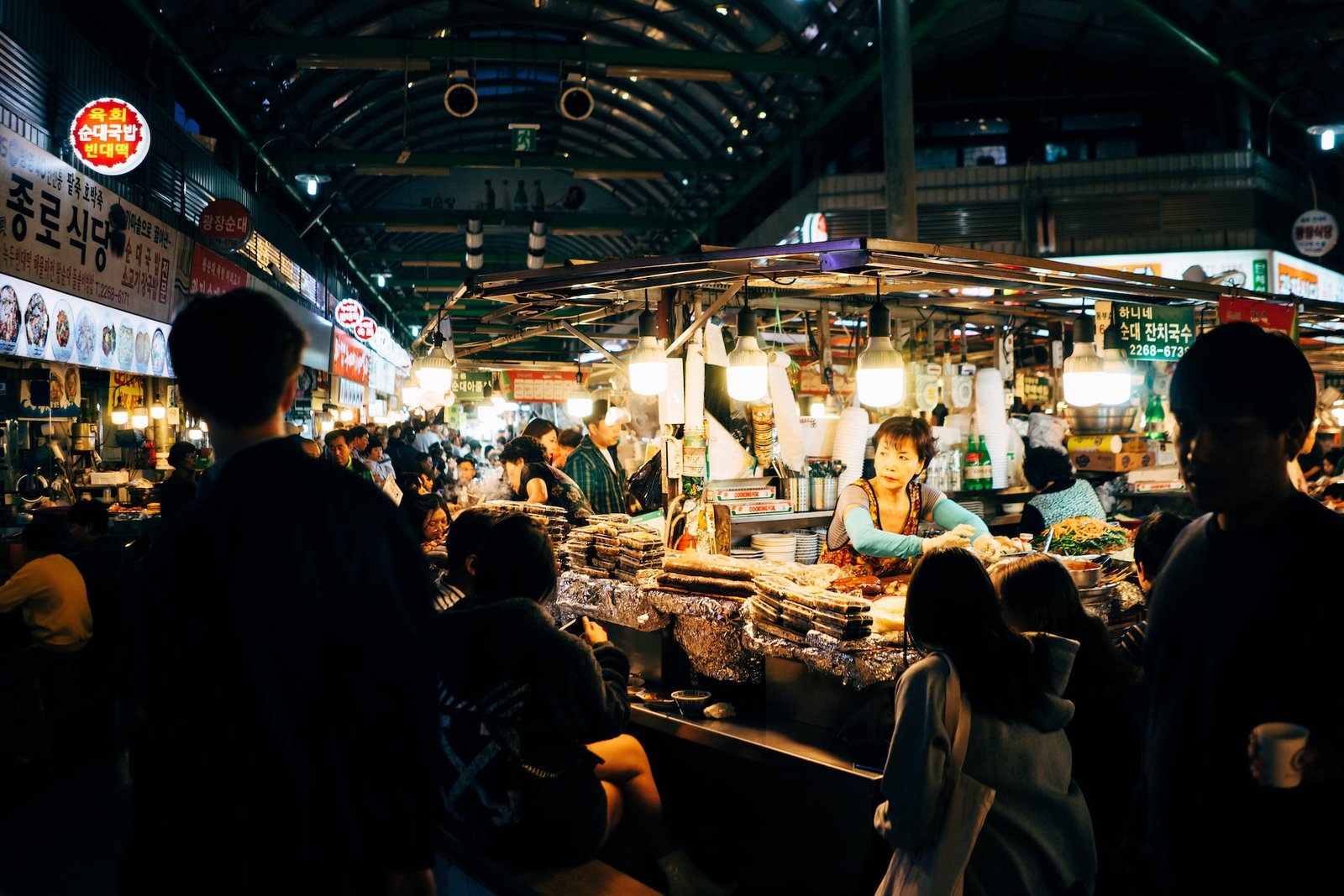
Gwangjang Market in Seoul, South Korea stands as one of the oldest and most beloved traditional markets in the country, having served the city since 1905 during the Japanese occupation period . Unlike more tourist-oriented markets, Gwangjang maintains an authentic atmosphere where locals still outnumber visitors, particularly in the food alley where vendors have been perfecting their specialties for decades. The market is justifiably famous for bindaetteok, crispy mung bean pancakes fried to golden perfection on large griddles, their surfaces studded with bean sprouts and pork. Watching the pancakes being made, the batter ladled onto sizzling oil and pressed flat with circular motions, is itself a performance. Equally essential are mayak gimbap, bite-sized seaweed rice rolls whose name means “narcotic” because they are supposedly addictive, and sundae, Korean blood sausage served with salt and often accompanied by liver and tripe for the adventurous . The knife-cut noodles known as kalguksu, served in steaming bowls of anchovy broth, provide comfort for cooler evenings. Gwangjang operates year-round and maintains its energy well into the night, making it suitable for both daytime exploration and evening food crawls .
Ningxia Night Market in Taipei, Taiwan offers a more intimate alternative to the city’s better-known but often overwhelmingly crowded Shilin market. Food-focused visitors consistently rank Ningxia as Taipei’s best night market for eating, with a relaxed local energy that makes navigation easier and the food choices more interesting . The signature dish that draws lines of patient customers is the oyster omelet, a sticky, savory egg creation studded with plump oysters and dressed with sweet chili sauce. Beyond this iconic dish, the market rewards exploration with deep-fried squid, pepper shrimp that arrive at your table in steaming bags, and sweet potato balls that provide a perfect sweet finish. The market’s compact size means visitors can sample widely without covering excessive ground, and the presence of Michelin-recognized vendors like Yuan Huan confirms the quality found throughout . Ningxia opens in the late afternoon and runs until midnight, with peak crowds arriving after 7 PM when office workers join tourists in the evening food pilgrimage.
Chatuchak Weekend Market in Bangkok, Thailand represents street food on an almost unimaginable scale, with over fifteen thousand stalls spread across twenty-seven acres, making it one of the largest outdoor markets in the world . While only a portion of these stalls sell food, that portion alone could occupy a dedicated visitor for an entire day. The food section rewards those who come hungry and willing to wander, with grilled pork skewers (moo ping) sizzling over charcoal, coconut ice cream served in coconut shells with optional sticky rice and peanut toppings, and som tam, the explosive green papaya salad that balances sour, sweet, spicy, and savory in each bite . The market’s sheer size can overwhelm, but approaching it as an edible adventure rather than a shopping expedition transforms the experience. Chatuchak operates only on weekends, with Saturdays drawing the largest crowds and best food selection. Early morning visits before the heat and crowds peak allow for more comfortable exploration.
Tsukiji Outer Market in Tokyo, Japan preserves the culinary energy of the famous wholesale market even after the inner tuna auctions moved to Toyosu. The outer market remains Tokyo’s premier destination for experiencing Japanese seafood culture at its most accessible and authentic . Small stalls serve sushi made with fish that could have been swimming hours earlier, the vinegared rice still warm and the neta (topping) at perfect temperature. Grilled seafood skewers, including scallops in their shells basted with soy sauce and giant prawns, provide walk-and-eat options, while tamagoyaki, the sweet layered omelet, offers a taste of Japanese breakfast tradition. Beyond prepared foods, the market contains knife shops where craftsmen sell blades to professional chefs, and spice vendors with selections that overwhelm through sheer variety . Tsukiji operates in the morning hours, with peak activity between 8 AM and 11 AM, making it a perfect breakfast or late-morning destination.
Nishiki Market in Kyoto, Japan offers a different Japanese market experience, a narrow covered street nicknamed “Kyoto’s Kitchen” that has fed the city for centuries . Unlike Tsukiji’s focus on seafood, Nishiki showcases the full range of Kyoto’s culinary traditions, including the pickled vegetables (tsukemono) for which the city is famous, grilled mochi on sticks, and fresh sashimi skewers. The market’s compact length, approximately five blocks, makes it easy to traverse multiple times, sampling as you go and returning to favorites. Morning visits avoid the worst crowds and ensure the freshest selections.
The Heart of Europe: Historic Halls and Timeless Traditions
European food markets occupy a different position in the street food universe than their Asian counterparts, often operating from permanent structures with histories stretching back centuries and emphasizing artisanal production alongside prepared foods. The experience tends toward the civilized, with opportunities to stand at market bars sipping wine while nibbling tapas, or to assemble picnic provisions from multiple stalls before finding a nearby spot to eat.
La Boqueria in Barcelona, Spain stands as Europe’s most famous food market, its location just off the tourist-choked Las Ramblas ensuring constant crowds but not diminishing the quality of what lies within . The market’s origins date to 1217 as a traveling market, evolving into the permanent structure that today houses over two hundred stalls . The visual spectacle alone justifies the visit, with colorful fruit arranged in geometric patterns, seafood glistening on ice, and jamón ibérico legs hanging in ranks behind glass. The eating experience centers on the market’s tapas bars, where customers squeeze onto stools to order plates of grilled gambas (prawns), thinly sliced jamón, and fried seafood. Fresh juices from fruit stalls provide refreshment between savory bites, and the market’s size and variety ensure that multiple visits across several days would still leave things untried. La Boqueria opens daily except Sunday, with peak crowding between noon and 3 PM when lunch seekers flood the aisles.
Borough Market in London, England combines nearly a thousand years of history with contemporary food culture in a way that few markets anywhere can match . Originally a wholesale market supplying south London, Borough has transformed into a destination where Londoners and visitors alike come to explore the best of British and international food. The market’s commitment to connecting eaters with producers means that stallholders can typically answer detailed questions about how their cheeses are aged, their meats raised, or their vegetables grown. The prepared food options span the globe, from duck confit sandwiches that draw long lines to Ethiopian stews, fresh oysters shucked to order, and artisanal pies filled with game . The market’s covered and uncovered sections fill a compact area near London Bridge, making it easy to explore thoroughly in a couple of hours. Borough operates Thursday through Saturday as its primary market days, with reduced hours on other days, and Saturday crowds require patience and strategic navigation.
La Vucciria in Palermo, Sicily offers a market experience unlike any other in Europe, a chaotic, noisy, utterly authentic immersion in Sicilian food culture that has operated for more than seven hundred years . The market’s name translates roughly to “hubbub” or “noise,” perfectly capturing the experience of vendors shouting in Sicilian dialect, customers bargaining over prices, and the constant activity of buying and selling. By day, the narrow streets fill with displays of Mediterranean seafood, ripe tomatoes, colossal purple eggplants, and local vegetables like tenerumi, the tender vine tendrils of a native squash . Food stalls serve arancini (fried rice balls), panelle (chickpea fritters), and the famously adventurous pani câ meusa, a sandwich of cow spleen and caciocavallo cheese. By night, La Vucciria transforms, with locals gathering for aperitivo, late-night seafood at spots like Al Tentacolo, and dancing in the piazza as the market becomes an open-air nightclub . This day-to-night evolution makes La Vucciria unique among European markets, equally rewarding for a lunch of fresh seafood and a late evening of eating and dancing with Palermo’s youth.
Mercado Central in Valencia, Spain occupies one of Europe’s most beautiful market buildings, a masterpiece of modernist architecture with ironwork, colorful tile, and a central dome that soars above the stalls . Within this stunning space, over a thousand vendors sell the ingredients of Valencian cuisine, including the rice for which the region is famous, the vegetables that go into paella, and the citrus that perfumes the air. Food stalls offer prepared versions of local specialties, including authentic paella cooked over wood fires and horchata, the refreshing tiger nut beverage that Valencians drink alongside fartons, elongated pastries for dipping. The market’s combination of architectural beauty, ingredient quality, and prepared food makes it a complete experience that satisfies multiple interests simultaneously.
Marché de la Libération in Nice, France brings the colors and flavors of Provence to a dedicated market space where locals have shopped since the 1930s . Here, the emphasis is on the bounty of the region, with stalls overflowing with olives in countless varieties, cheeses ranging from fresh chèvre to aged Tomme, and produce that changes with the seasons. The market’s prepared food options include socca, the chickpea pancake that is Nice’s signature street food, and pissaladière, a caramelized onion tart topped with olives and anchovies. The atmosphere remains genuinely local, with residents doing their daily shopping alongside visitors discovering Niçoise cuisine. Morning visits capture the market at its liveliest, with vendors calling out their offerings and regular customers exchanging news while selecting their purchases.
The Magic of North Africa and the Middle East
The markets of North Africa and the Middle East engage all the senses simultaneously, with spices piled in colorful pyramids, grills sending up clouds of smoke, and sweet pastries glistening with honey. These are places where eating is inseparable from the total experience of the market, where the boundaries between shopping for ingredients and eating prepared food blur into a continuous culinary immersion.
Jemaa el-Fnaa in Marrakech, Morocco transforms daily from a daytime square of juice sellers and snake charmers into the world’s most dramatic open-air restaurant as the sun sets . When evening falls, dozens of food stalls materialize, each with its benches and its specialties, their grills sending smoke into the night sky while vendors call out to passersby. The food spans Moroccan cuisine, with grilled kebabs of spiced meat, bubbling pots of snail broth served in small bowls, and fried fish that arrives crisp and golden. The square’s energy builds through the evening, with musicians, storytellers, and crowds of Moroccans and tourists creating a scene of controlled chaos that has played out nightly for centuries. Navigating Jemaa el-Fnaa requires strategy, circling the stalls to see what looks best before committing, and accepting that the experience of eating in the square matters as much as the food itself. Beyond the main square, smaller stalls and nearby restaurants offer specialties like harira soup and the sweet pastries known as kaab el-ghzal (gazelle horns) .
The Spice Bazaar in Istanbul, Turkey offers a more sedate but equally essential market experience, its vaulted ceilings and arched passageways housing vendors who have sold spices, dried fruits, nuts, and Turkish delight for centuries . While less chaotic than the Grand Bazaar, the Spice Bazaar rewards exploration with tastes at every turn, samples of lokum (Turkish delight) in rose, pomegranate, and pistachio flavors, nuts roasted and salted on the premises, and dried figs and apricots stuffed with walnuts. Nearby street food vendors sell simit, the sesame-crusted bread rings that are Istanbul’s everyday snack, and balık ekmek, grilled fish sandwiches served from boats on the Galata Bridge. For those willing to cross to the Asian side, Kadıköy Market offers a more local alternative, with streets lined by shops selling cheese, olives, and fresh produce, and food stalls serving kokoreç (grilled lamb intestines) and other adventurous options .
The Americas: From Historic Markets to Modern Food Halls
The Americas offer market experiences that range from centuries-old indigenous markets to contemporary food halls that have reinvented street food for new generations. Each reflects its region’s culinary heritage while adapting to changing tastes and expectations.
Mercado de San Juan in Mexico City, Mexico serves as a destination for serious food lovers seeking ingredients and dishes beyond the standard tourist repertoire . Here, alongside more familiar Mexican specialties like tacos al pastor and fresh ceviche, adventurous eaters can sample escamoles (ant eggs), chapulines (grasshoppers), and other pre-Hispanic ingredients that connect modern Mexican cuisine to its indigenous roots. The market’s butcher stalls offer cuts and meats rarely seen elsewhere, and its cheese vendors stock varieties from across Mexico’s diverse cheese-making regions. Chefs from the city’s best restaurants shop here, and the market’s location in a pleasant neighborhood makes it suitable for a morning of exploration followed by lunch at one of the small restaurants tucked among the stalls.
Queens Night Market in New York City represents a different kind of street food tradition, one born of the city’s incredible diversity and the entrepreneurial energy of immigrant communities . Operating from spring through fall in Flushing Meadows-Corona Park, the market hosts vendors representing over ninety-five countries, each offering dishes from their home cuisines at prices capped at five to six dollars to ensure accessibility. A single visit might yield Sichuan-style dan dan noodles, Salvadoran pupusas, Filipino lumpia, and Trinidadian doubles, all prepared by vendors with family recipes and personal connections to their cuisines. The market’s popularity has grown enormously since its founding, and visitors should arrive early and prepare to wait in lines, though the diversity and quality justify the patience . The evening atmosphere, with crowds picnicking on the grass and music playing, adds to the experience.
Union Square Greenmarket in New York City offers a farmers market experience that has become a model for similar markets nationwide . Operating year-round, the market connects urban consumers with farmers from New York, New Jersey, and surrounding states, offering seasonal produce, farmstead cheeses, artisanal breads, and prepared foods from local producers. While not a street food market in the traditional sense, the abundance of ready-to-eat options from vendors selling everything from wood-fired pizza to apple cider doughnuts makes it a destination for eating as well as shopping. The market’s role in supporting sustainable agriculture and preserving farmland around the city adds meaning to each purchase.
Hidden Gems and Emerging Destinations
Beyond the famous names, street food markets continue to emerge and evolve, offering new destinations for travelers who have visited the classics and seek fresh discoveries.
Or Tor Kor Market in Bangkok, Thailand offers an alternative to the city’s more chaotic markets, a clean, organized space where the focus is on ingredient quality rather than tourist experience . Operated by Thailand’s farmers marketing organization, the market showcases the best of Thai produce, with fruits arranged like jewels, curries prepared fresh daily, and prepared foods that draw Bangkok residents seeking quality rather than bargains. The market’s food court serves excellent versions of Thai classics, from green curry to mango sticky rice, in surroundings considerably more comfortable than typical street stalls. CNN’s recognition of Or Tor Kor as one of the world’s best fresh markets confirms what Bangkok residents have known for years.
Chandni Chowk in Old Delhi, India offers perhaps the most overwhelming market experience anywhere, a seventeenth-century marketplace where the sensory assault of sights, sounds, and smells reaches levels that some visitors find challenging . For those willing to embrace the chaos, the rewards include some of India’s most legendary street food, including daulat ki chaat, a ethereal milk foam sweet available only in winter; chole kulche, spicy chickpea curry with bread; and jalebis, bright orange spirals of fried batter soaked in syrup. Navigating Chandni Chowk requires strategy, with rickshaw rides recommended for covering ground between food stops, and the willingness to eat surrounded by crowds and activity. The market’s history, stretching back to the Mughal era, adds depth to every bite .
Mercado 20 de Noviembre in Oaxaca, Mexico draws food lovers to the smoky corridor known as the Pasillo de las Carnes Asadas, where vendors grill meat over wood fires while customers select their cuts and watch them cook . The market also offers tlayudas, enormous tortillas topped with beans, cheese, and meat that serve as Oaxaca’s answer to pizza, and moles in countless varieties, from the famous black mole to coloradito and verde. The market’s location in Oaxaca’s historic center makes it accessible, and its combination of ingredient stalls and prepared food counters allows visitors to both eat immediately and shop for provisions.
Essential Tips for Market Exploration
Successful market exploration requires strategy as much as appetite, with attention to timing, pacing, and cultural norms that vary across destinations. Morning visits typically offer the freshest selections and smallest crowds, though some markets, particularly night markets in Asia, only come alive after dark. Arriving hungry stands as the most important preparation, as the volume and variety of food demands capacity for multiple small tastes rather than a single large meal. Bringing cash proves essential, as many vendors in traditional markets do not accept cards, and smaller bills facilitate transactions .
Markets operate according to schedules that vary widely, with some open daily, others only on weekends, and night markets following their own timing. Researching hours before visiting prevents disappointment, as does confirming whether markets close for holidays or seasonal breaks. The best markets reward multiple visits, with different selections available at different times and the experience evolving from morning shopping to evening eating. For travelers with limited time, focusing on one or two markets per destination, and allowing several hours for each, provides deeper experience than rushing through many.
The Deeper Meaning of Market Eating
Eating at traditional street food markets offers more than just nourishment or even culinary exploration. These markets preserve food traditions that might otherwise disappear, providing economic opportunities for vendors who maintain family recipes and techniques across generations. They serve as community gathering places where social bonds form and strengthen over shared meals, where news travels and relationships deepen. For travelers, they offer the rare opportunity to participate in local life rather than merely observe it, to stand alongside residents and eat what they eat, prepared the way they prefer it.
The best markets evolve while maintaining their essential character, adapting to changing tastes and circumstances without losing the qualities that made them special. New vendors appear alongside those who have occupied the same spots for decades, and dishes once considered exotic become familiar favorites. This balance between tradition and change, between serving locals and welcoming visitors, characterizes the greatest markets and ensures their survival for future generations of eaters.
The memory of a perfect market meal, the taste of something unfamiliar and wonderful eaten standing in a crowd, the discovery of a dish that becomes a lifelong craving, these experiences define travel for those who love food. The markets described here offer such memories in abundance, each in its own way, each worth traveling for. The only remaining question is where to go first.