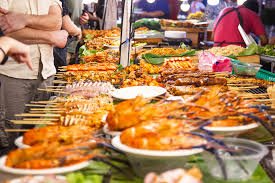
Southeast Asia is famous for its vibrant street food culture, where every street corner offers a burst of flavor, aroma, and color. From the bustling night markets of Bangkok to the lively food stalls of Hanoi, street food in this region is an integral part of daily life. These recipes are a blend of bold spices, fresh herbs, and unique ingredients that reflect the diverse cultures and traditions of Southeast Asia. Bringing these street food flavors into your kitchen allows you to experience the region’s culinary magic without traveling thousands of miles. Whether you are craving savory snacks, hearty meals, or sweet treats, Southeast Asian street food recipes offer something for every palate.
The Essence of Southeast Asian Street Food
The charm of Southeast Asian street food lies in its simplicity, affordability, and intense flavors. Unlike elaborate restaurant dishes, street food is often prepared quickly with fresh ingredients, creating dishes that are both satisfying and accessible. Ingredients such as lemongrass, ginger, garlic, chili, coconut milk, fish sauce, soy sauce, and tamarind are common in many recipes, providing layers of taste that are simultaneously sweet, salty, spicy, and sour. Street food is not just about nourishment—it’s a cultural experience, often eaten on the go, shared among friends, and deeply intertwined with the rhythm of everyday life in Southeast Asia. These dishes are designed to be portable, affordable, and utterly delicious, making them beloved by locals and travelers alike.
Popular Street Food Recipes from Thailand
Thailand is renowned for its bold and aromatic street food offerings. One iconic dish is Pad Thai, a stir-fried noodle dish featuring rice noodles, shrimp or chicken, eggs, tofu, peanuts, and bean sprouts, all tossed in a tangy tamarind-based sauce. Another favorite is Som Tum, a spicy green papaya salad mixed with lime juice, fish sauce, garlic, and chilies, creating a refreshing and fiery combination. Satay, grilled skewers of marinated meat served with a rich peanut sauce, is another beloved street snack. Thai street vendors also serve sweet treats like Mango Sticky Rice, where ripe mango slices are paired with sticky rice and drizzled with coconut milk, balancing sweetness and creaminess. Each of these dishes is a reflection of Thailand’s dedication to layering flavors and textures in every bite.
Vietnamese Street Food Recipes
Vietnamese street food is celebrated for its fresh ingredients, aromatic herbs, and harmonious balance of flavors. The famous Bánh Mì sandwich is a staple, featuring a crispy French baguette filled with pickled vegetables, fresh herbs, cucumber slices, chilies, and savory proteins such as grilled pork, chicken, or tofu. Another iconic dish is Phở, a fragrant noodle soup made with slow-cooked broth, rice noodles, meat, and a variety of fresh herbs like cilantro, basil, and green onions. Vietnamese street vendors also serve summer rolls, known as Gỏi Cuốn, which are delicate rice paper rolls packed with shrimp, pork, fresh herbs, and vermicelli noodles, served with a tangy peanut dipping sauce. These recipes emphasize freshness and balance, allowing the natural flavors of ingredients to shine through.
Malaysian Street Food Recipes
Malaysia’s street food scene is a melting pot of Malay, Chinese, and Indian culinary traditions, resulting in a wide variety of flavors and textures. One of the most popular dishes is Nasi Lemak, a fragrant coconut milk rice served with spicy sambal, crispy anchovies, boiled eggs, cucumber slices, and roasted peanuts. Char Kway Teow, a stir-fried flat noodle dish with shrimp, Chinese sausage, eggs, and bean sprouts, is another beloved street food item. Roti Canai, a flaky and buttery flatbread served with curry dipping sauce, showcases the Indian influence on Malaysian street food. Street snacks like Satay skewers and Kuih, colorful bite-sized desserts made from rice flour and coconut milk, further exemplify the richness of Malaysia’s culinary heritage. Each dish offers a perfect blend of bold spices, textures, and flavors, making Malaysian street food a delight for adventurous eaters.
Indonesian Street Food Recipes
Indonesia is home to a diverse range of street foods, reflecting its vast archipelago of cultures and traditions. Satay is a quintessential Indonesian snack, often served with peanut sauce and ketupat, which is compressed rice cooked in woven palm leaves. Nasi Goreng, or fried rice, is another iconic dish, typically cooked with a mix of vegetables, eggs, shrimp, chicken, and sweet soy sauce, creating a savory, slightly sweet, and umami-rich flavor profile. Gado-Gado, a vegetable salad with peanut dressing, showcases the country’s love for fresh produce paired with bold flavors. Street vendors in Indonesia also offer sweet delights like Klepon, rice cake balls filled with palm sugar and coated with grated coconut, providing a satisfying combination of sweetness and texture. These recipes highlight Indonesia’s ability to balance complex flavors while maintaining simplicity in preparation.
Filipino Street Food Recipes
The Philippines offers a unique street food experience, blending sweet, savory, and tangy flavors. One iconic dish is Isaw, grilled chicken or pork intestines skewered and brushed with a sweet and savory marinade. Balut, a fertilized duck egg boiled and eaten as a snack, is a daring but traditional Filipino street delicacy. Street food markets also feature skewered meats like BBQ and fish balls, often served with spicy vinegar or sweet sauce. Halo-Halo, a popular dessert, combines crushed ice, sweetened beans, fruits, jelly, and evaporated milk, creating a refreshing and colorful treat. Filipino street food is characterized by its creativity and resourcefulness, transforming simple ingredients into flavorful and memorable snacks.
Singaporean Street Food Recipes
Singapore is a street food paradise, offering a mix of Chinese, Malay, and Indian culinary influences. Hainanese Chicken Rice, a tender poached chicken served with fragrant rice, chili sauce, and ginger, is a national favorite. Laksa, a spicy coconut milk noodle soup with prawns or chicken, blends Chinese and Malay flavors into a creamy and aromatic dish. Chilli Crab, though more commonly served in hawker centers than on streets, reflects the bold flavors Singapore is known for, with succulent crab coated in a tangy, spicy sauce. Rojak, a fruit and vegetable salad tossed in sweet and tangy peanut sauce, showcases the fusion of flavors that Singaporean street food embodies. These dishes highlight the city-state’s ability to harmonize diverse culinary traditions into delicious street fare.
Essential Ingredients for Southeast Asian Street Food
A successful Southeast Asian street food recipe often relies on a few key ingredients. Fresh herbs such as cilantro, Thai basil, and mint are critical for aroma and flavor. Spices like turmeric, coriander, and chili provide depth and heat, while coconut milk adds creaminess to curries and desserts. Fish sauce, soy sauce, tamarind, and lime juice contribute umami, tang, and balance. Rice, noodles, and rice flour serve as staple carbohydrates in most dishes, while vegetables, seafood, and meat provide protein and texture. Stocking your pantry with these essential ingredients enables home cooks to recreate authentic Southeast Asian street food dishes without compromising flavor.
Cooking Techniques for Authentic Street Food
Southeast Asian street food is often defined by quick cooking methods that preserve freshness and flavor. Stir-frying, grilling, steaming, and deep-frying are common techniques used by street vendors. Wok cooking allows for rapid, high-heat preparation that enhances the natural flavors of ingredients while creating a distinct smoky aroma known as “wok hei” in Chinese cuisine. Grilling over open flames, whether for satay or skewered meats, adds a charred flavor that is central to the street food experience. Steaming preserves the delicate textures of dumplings, rice cakes, and vegetables. Even simple frying techniques are elevated by marinating ingredients in spices and sauces before cooking, resulting in dishes that are intensely flavorful and satisfying.
Bringing Southeast Asian Street Food to Your Home Kitchen
Recreating Southeast Asian street food at home is both fun and rewarding. Start by selecting a few signature dishes, gathering fresh ingredients, and following authentic recipes carefully. Don’t be afraid to experiment with flavors, adjusting spice levels and seasoning to suit your taste. Preparing street food at home allows you to enjoy the vibrant flavors of Southeast Asia while controlling ingredients, portion sizes, and hygiene. Cooking these dishes also provides an opportunity to learn about the culture and culinary traditions of the region, deepening your appreciation for the food and the people who make it. With practice, even the most complex street food recipes become manageable, allowing home cooks to enjoy restaurant-quality flavors in the comfort of their own kitchen.
Tips for Serving and Enjoying Street Food
Street food is often eaten quickly and on the go, but serving these dishes at home can be an interactive and social experience. Arrange dishes family-style, allowing everyone to sample multiple items and customize their plates. Pair meals with traditional condiments such as sambal, peanut sauce, or chili vinegar to enhance flavor. Incorporate fresh herbs and garnishes like lime wedges, bean sprouts, or crushed peanuts for authenticity. Encouraging family members to try new dishes together not only expands their palate but also creates a shared culinary experience reminiscent of Southeast Asia’s lively street markets.
Conclusion
Southeast Asian street food recipes offer an exciting way to explore the flavors and culture of the region without leaving home. From Thailand’s tangy Pad Thai and spicy Som Tum to Vietnam’s aromatic Bánh Mì and Phở, Malaysia’s Nasi Lemak and Char Kway Teow, Indonesia’s Nasi Goreng and Satay, the Philippines’ BBQ and Halo-Halo, and Singapore’s Laksa and Hainanese Chicken Rice, these dishes provide a wealth of culinary inspiration. By understanding essential ingredients, cooking techniques, and cultural context, home cooks can bring the vibrant tastes of Southeast Asia to their kitchens. Whether you are preparing meals for family, entertaining friends, or simply experimenting with new flavors, these street food recipes promise a delicious and memorable culinary adventure. With creativity, patience, and a love for bold flavors, anyone can master the art of Southeast Asian street food, celebrating its rich traditions and unforgettable tastes right at home.