Street food has a unique charm that goes beyond hunger satisfaction. From sizzling skewers to savory fried snacks, vibrant chutneys, and aromatic spices, street food recipes capture the essence of a culture and its culinary identity. Achieving the authentic taste of street food at home can seem challenging, but with the right techniques, ingredients, and preparation methods, it is entirely possible. This blog explores the secrets to authentic taste in street food recipes, offering practical tips, ingredient insights, cooking techniques, and flavor strategies to recreate the vibrant street food experience in your own kitchen. Whether you love Indian chaat, Mexican tacos, Japanese takoyaki, or Italian arancini, these tips help preserve the authenticity, texture, and bold flavors that make street food irresistible.
Understanding the Core of Street Food Flavor
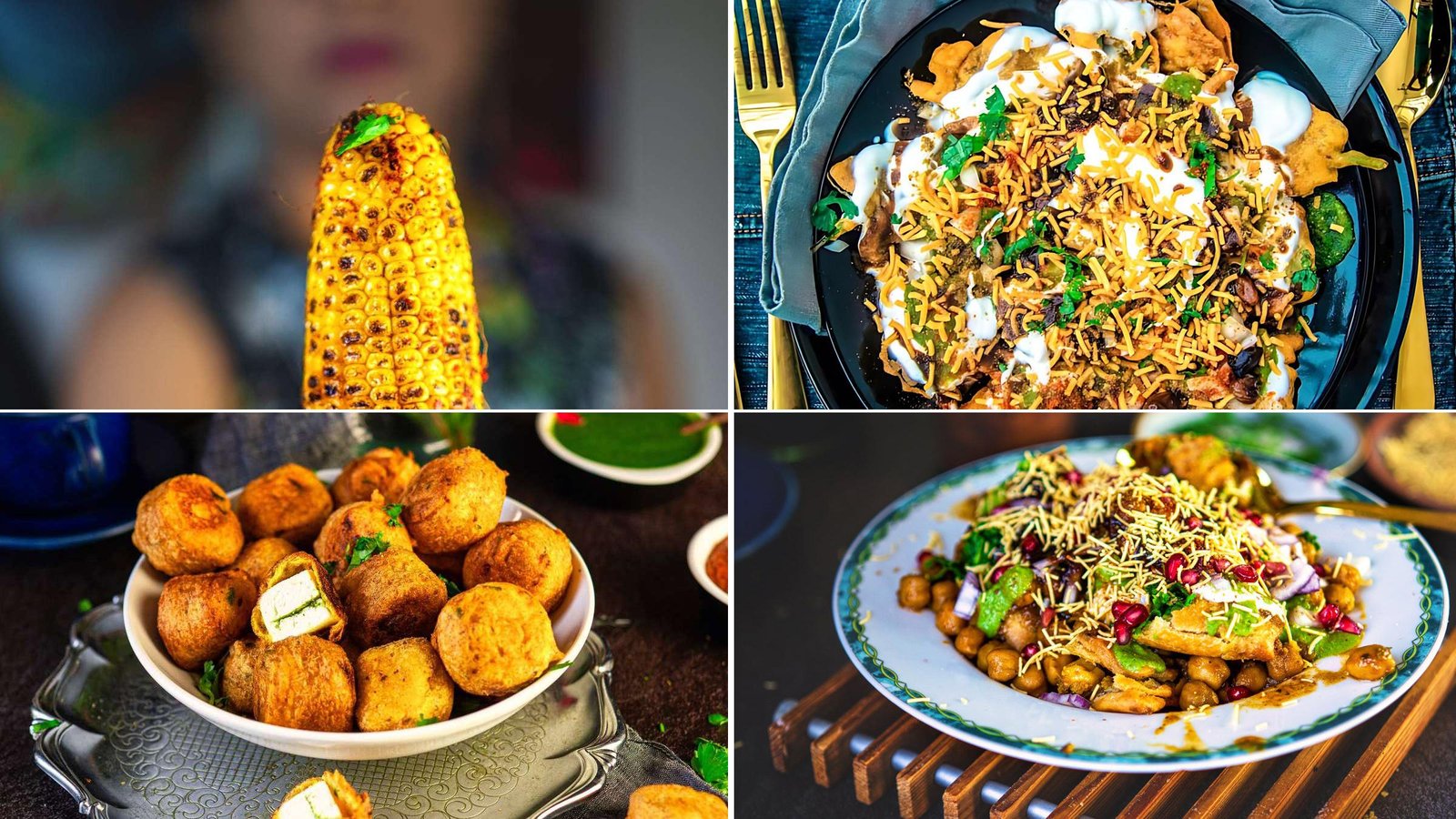
The first secret to achieving authentic taste in street food recipes is understanding the balance of flavors. Street foods are known for their complex layers, combining sweet, sour, salty, spicy, and umami elements. Each dish has a harmony that makes it addictive and memorable. For instance, Indian chaat combines tangy tamarind chutney, spicy green chutney, crunchy puris, and creamy yogurt to create a multidimensional experience. Similarly, Mexican elote balances roasted corn with creamy sauces, lime juice, chili powder, and cheese. By analyzing and understanding how flavors complement each other in traditional street foods, home cooks can replicate the authentic taste by carefully balancing spices, acidity, salt, and texture.
Selecting the Right Ingredients
High-quality ingredients are essential to street food recipes with authentic flavor. Fresh vegetables, seasonal produce, aromatic spices, and high-quality proteins form the foundation of true street food taste. Using processed or frozen alternatives can compromise flavor and texture. For example, fresh coriander, mint, and green chilies are crucial for Indian street snacks like pani puri and bhel puri. Similarly, freshly ground spices enhance the flavor profile of Middle Eastern shawarma or Moroccan tagines. Authentic ingredients provide vibrancy, aroma, and depth, which are often missing in shortcuts or pre-packaged solutions. For home cooks, sourcing fresh, local, and seasonal ingredients is the first step toward replicating authentic street food flavors.
Mastering Spice Blends and Seasoning
Spices define the character of street food. Each cuisine has signature spice blends that create depth and authenticity. Indian street food relies on chaat masala, garam masala, cumin, coriander, turmeric, and red chili powder. Mexican street foods often use paprika, cayenne, oregano, and chili powder. Southeast Asian recipes like Thai satay and Vietnamese banh mi incorporate lemongrass, galangal, fish sauce, and chili. The secret to authentic taste in street food recipes lies in learning the correct ratios and techniques for roasting, grinding, and combining spices. Freshly toasted spices release oils that enhance aroma and flavor, while pre-ground spices may lose potency over time. Experimenting with spice blends while respecting traditional combinations ensures bold, authentic flavors that mirror street vendors’ creations.
Perfecting Cooking Techniques
Street food often involves specific cooking methods that contribute to its signature texture and flavor. Deep-frying, grilling, sautéing, steaming, and slow-cooking are common techniques that define authentic street food. For example, Japanese takoyaki requires a specialized molded pan and careful flipping to achieve a crispy exterior and creamy interior. Indian pakoras rely on batter consistency and frying temperature to maintain crunch without oiliness. Mexican tacos benefit from quick grilling of meats and fresh tortillas to achieve authentic taste. Mastering these techniques is essential for street food recipes, as the same ingredients can taste vastly different depending on preparation. Understanding oil temperatures, cooking times, and heat distribution ensures consistent results and authentic flavors.
Maintaining the Right Texture
Texture is as important as flavor in street food. Crunchy, chewy, crispy, and soft textures create a multi-sensory experience that makes street food memorable. For instance, bhel puri balances puffed rice with crispy sev, fresh vegetables, and creamy yogurt. Arancini, the Italian rice balls, combine a crunchy breadcrumb exterior with soft, cheesy interiors. Maintaining texture requires careful attention to cooking methods, moisture content, and ingredient preparation. Air frying, oven-baking, or shallow frying can achieve crunch with less oil. Properly draining fried foods, using fresh ingredients, and avoiding soggy sauces preserve the authentic mouthfeel that defines traditional street food recipes.
Balancing Sweet, Sour, and Spicy Elements
One of the defining secrets to authentic taste in street food recipes is the precise balance of sweet, sour, and spicy flavors. Many street foods rely on this interplay to create addictive taste sensations. Indian chaats use tamarind chutney for sweetness, yogurt for creaminess, green chili sauce for heat, and lemon juice for acidity. Thai papaya salad balances lime juice, palm sugar, chili, and fish sauce. Mexican street corn (elote) combines creamy sauce, sharp cheese, lime juice, and chili powder. Achieving authenticity requires tasting throughout the cooking process and adjusting elements gradually. Too much of one component can overpower others, whereas the perfect balance creates layers of flavor that are characteristic of authentic street food.
The Role of Fresh Herbs and Aromatics
Fresh herbs and aromatics elevate street food recipes and are crucial for authenticity. Ingredients like cilantro, mint, basil, green onions, garlic, and ginger add bright, fresh flavors that enhance richness and spice. For instance, Vietnamese banh mi and pho rely on fresh herbs to create authentic taste, while Middle Eastern falafel and tabbouleh are defined by parsley, mint, and garlic. Using dried herbs as substitutes often lacks the vibrancy required for street food. Chopping, bruising, or lightly toasting herbs can release natural oils and enhance flavor, giving home-cooked street food the authenticity found in market stalls and food trucks.
Marinating and Infusing Flavors
Marination and flavor infusion are crucial steps for replicating street food recipes authentically. Street vendors often marinate meats, tofu, or vegetables in spices, acids, and oils to tenderize and infuse deep flavor. For example, shawarma meat is marinated in a mixture of yogurt, lemon, garlic, and spices, while tandoori chicken relies on yogurt and spice pastes. Even vegetarian street foods like grilled paneer skewers benefit from marination. Infusing oils with herbs, garlic, or chili before cooking enhances aroma and flavor. Taking time for marination allows ingredients to absorb spices fully, resulting in authentic taste that mimics professional street vendors’ recipes.
Controlling Heat and Cooking Temperature
The right cooking temperature is vital for achieving the authentic taste of street food. High heat produces a crisp exterior and locks in juices, while low heat ensures thorough cooking without burning. Frying batters at the correct temperature prevents oil absorption and sogginess. Grilling meats over medium-high heat enhances caramelization and flavor depth. Baking or roasting at consistent temperatures preserves texture and nutrients. Understanding how heat affects different ingredients allows home cooks to replicate the authentic textures and flavors of street food. Using thermometers, preheating pans, and monitoring cooking times helps achieve consistent, restaurant-quality results.
Layering Flavors with Sauces and Toppings
Street food often relies on layers of sauces, condiments, and toppings to achieve complex flavors. From creamy yogurt and tangy chutneys to spicy salsas and pickled vegetables, toppings add dimension and authenticity. For example, Indian pav bhaji is enhanced with a dollop of butter, chopped onions, and lemon juice. Mexican tacos benefit from fresh cilantro, lime wedges, and spicy salsas. Layering flavors gradually and tasting throughout preparation ensures that each component contributes to the overall experience. Homemade sauces with controlled ingredients allow home cooks to mimic street food authenticity while reducing unhealthy additives.
Using Fresh, Seasonal, and Local Ingredients
The authenticity of street food recipes is closely tied to the quality of ingredients. Using fresh, seasonal, and local produce ensures vibrant flavors and proper textures. Seasonal vegetables are more flavorful, while fresh meats and seafood provide natural umami. Local herbs and spices preserve the taste profile specific to a region. Sourcing ingredients from farmers’ markets or specialty stores allows home cooks to replicate the freshness found in authentic street food. Using high-quality ingredients ensures that even simple dishes like fried rice, skewers, or wraps taste rich and genuine.
Replicating Street Food Presentation and Appeal
Presentation is part of the street food experience. Vibrant colors, neat assembly, and appealing textures make dishes more appetizing. For example, layering bhel puri ingredients separately until serving preserves crunch and freshness. Tacos are garnished with fresh herbs, lime, and salsa for visual appeal. Arranging dishes with thoughtful presentation at home enhances the perception of flavor and closely mimics the authentic street food experience. Even small details like drizzling sauces in patterns or using fresh garnishes can make a home-cooked street food recipe feel professional and authentic.
Experimenting and Adjusting for Personal Taste
Every home cook may need to adjust spice levels, sweetness, or tanginess to suit their taste while preserving authenticity. Experimentation is part of mastering street food recipes. Taste frequently during preparation and make incremental adjustments to ingredients. Keeping notes of successful ratios allows consistent results in future attempts. Over time, home cooks can refine recipes to balance traditional flavors with personal preferences without compromising the essence of authenticity.
Maintaining Hygiene and Food Safety
Authentic taste is enhanced when food is prepared safely. Street vendors may not always follow strict hygiene, but at home, maintaining cleanliness ensures food quality and taste. Washing vegetables, marinating meats safely, and storing ingredients properly prevents spoilage and off-flavors. Using fresh oils, avoiding cross-contamination, and cooking at the right temperatures preserve the natural flavors in street food recipes, making every bite both delicious and safe.
Cultural Knowledge and Storytelling
Finally, understanding the cultural context of street food recipes enhances authenticity. Knowing the history, regional origin, and traditional preparation methods allows home cooks to respect the culinary tradition while replicating taste. For instance, knowing that Mumbai’s vada pav is served with spicy chutneys or that Hokkaido’s takoyaki uses specific dashi stock helps create a more faithful rendition. Immersing oneself in the culture behind the recipe adds depth and richness to the cooking process, ensuring that flavors are authentic and meaningful.
Conclusion: Achieving True Street Food Flavor at Home
Replicating the authentic taste of street food recipes at home requires a combination of high-quality ingredients, proper techniques, flavor balance, and cultural knowledge. By mastering spice blends, marination, cooking methods, textures, sauces, and presentation, home cooks can create street food that captures the vibrancy, boldness, and complexity of market stalls and food trucks. Fresh, seasonal ingredients, attention to detail, and mindful layering of flavors are key secrets to achieving authenticity. Whether you are preparing Indian chaat, Mexican tacos, Japanese takoyaki, or Italian arancini, following these tips ensures that your home-cooked street food is as flavorful and exciting as the original versions. Embrace experimentation, respect tradition, and savor the experience, turning your kitchen into a hub for authentic street food recipes that delight the senses and celebrate global culinary culture.